3D Printing Basics — When Does Additive Manufacturing Pay Off?
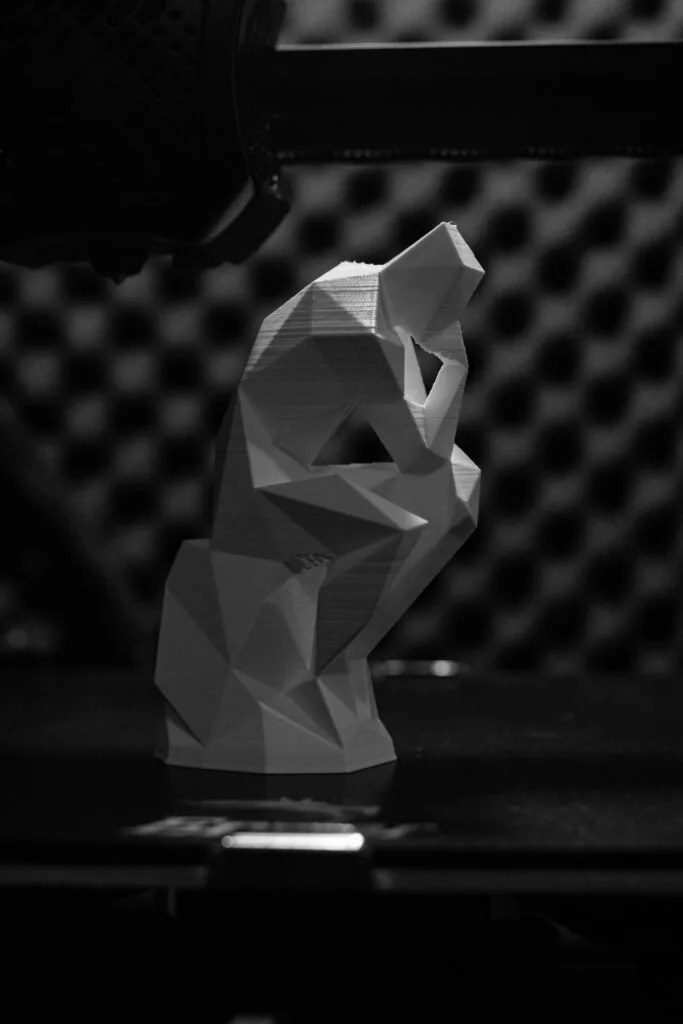
In recent years, 3D printing has matured from a hobbyist tool into a genuine industrial manufacturing method — today, from prototyping through small-batch production to custom parts, additive manufacturing is often the fastest and most flexible option available. For most companies the real question isn’t whether a given part can be 3D printed, but whether it pays off — and that’s not always obvious.
What Is Additive Manufacturing?
In additive manufacturing, a part is built up layer by layer from a digital CAD model by adding material — as opposed to traditional machining (milling, turning), where material is removed from a solid block of stock. The difference sounds like a technical detail at first, but it fundamentally determines what geometries can be made, how fast, and at what cost: no dedicated tooling is required, waste is minimal, and complex shapes — internal channels, lattice structures, weight-reduced designs — become possible that are difficult or impossible to produce any other way.
Why Does Additive Manufacturing Deliver a Real Advantage?
Most companies think of per-part cost first, but industrial 3D printing’s biggest advantage is often not the price of a single part — it’s the impact on the entire development and production process.
- No expensive tooling required — injection molding or casting often carries a tooling cost in the millions before the first part is even made, which is hard to recoup at low volumes. With additive manufacturing, production can start almost immediately once the digital model is ready, so even a single part can be economical.
- Fast iteration — a revised prototype can be ready in as little as 24–48 hours instead of waiting weeks for new tooling. This significantly shortens time to market for development projects, functional testing, and client demos.
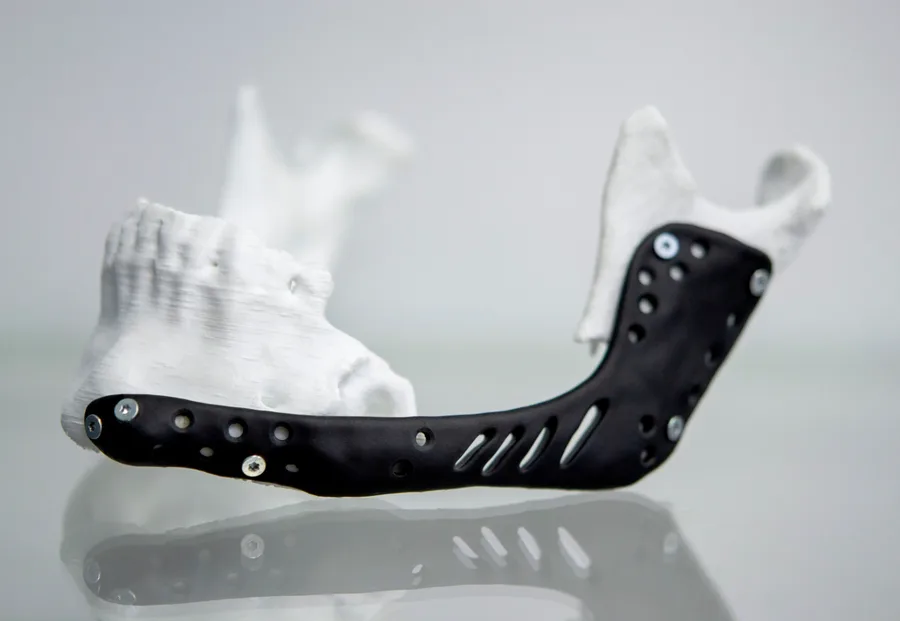
- Complex geometry at no extra cost — with traditional manufacturing, the more complex a part, the more expensive it usually is to produce; with additive manufacturing that’s far less true. Internal cooling channels, topology-optimized or weight-reduced designs, even consolidating several separate parts into a single printed component are all achievable — reducing both assembly time and the number of potential failure points.
Which Materials Do We Work With?
Choosing the right material matters at least as much as the technology itself — it always depends on the part’s function, mechanical load, operating temperature, and environmental exposure.
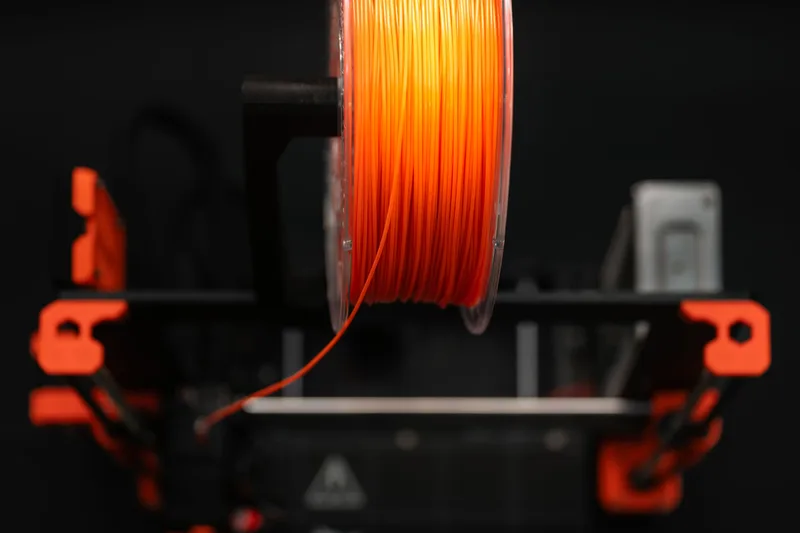
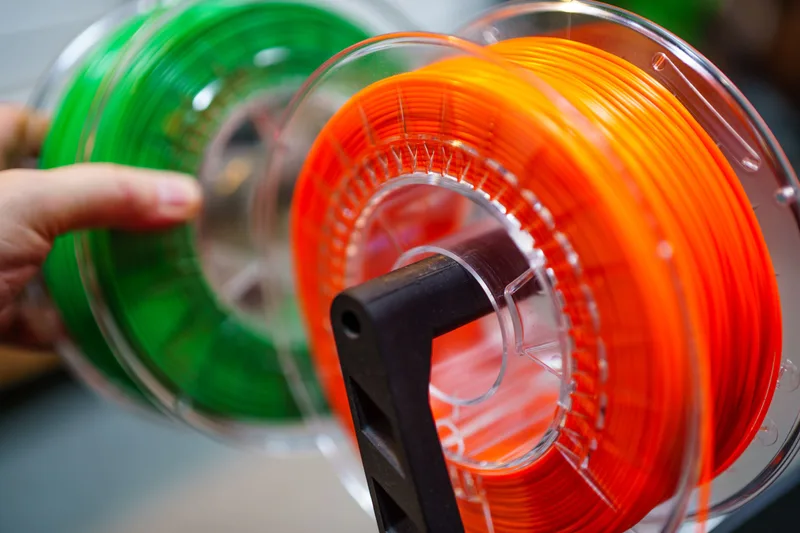
- PLA — fast, inexpensive prototypes and visual models, where mechanical load isn’t the priority.
- PETG — better impact and chemical resistance, higher heat resistance: many industrial jigs and functional parts are made from it.
- ABS — a long-proven industrial material with good mechanical properties and easy post-processing.
- Nylon and carbon-/glass-fiber-reinforced composites — for high-load industrial applications: assembly fixtures, production-line jigs, functional machine components.
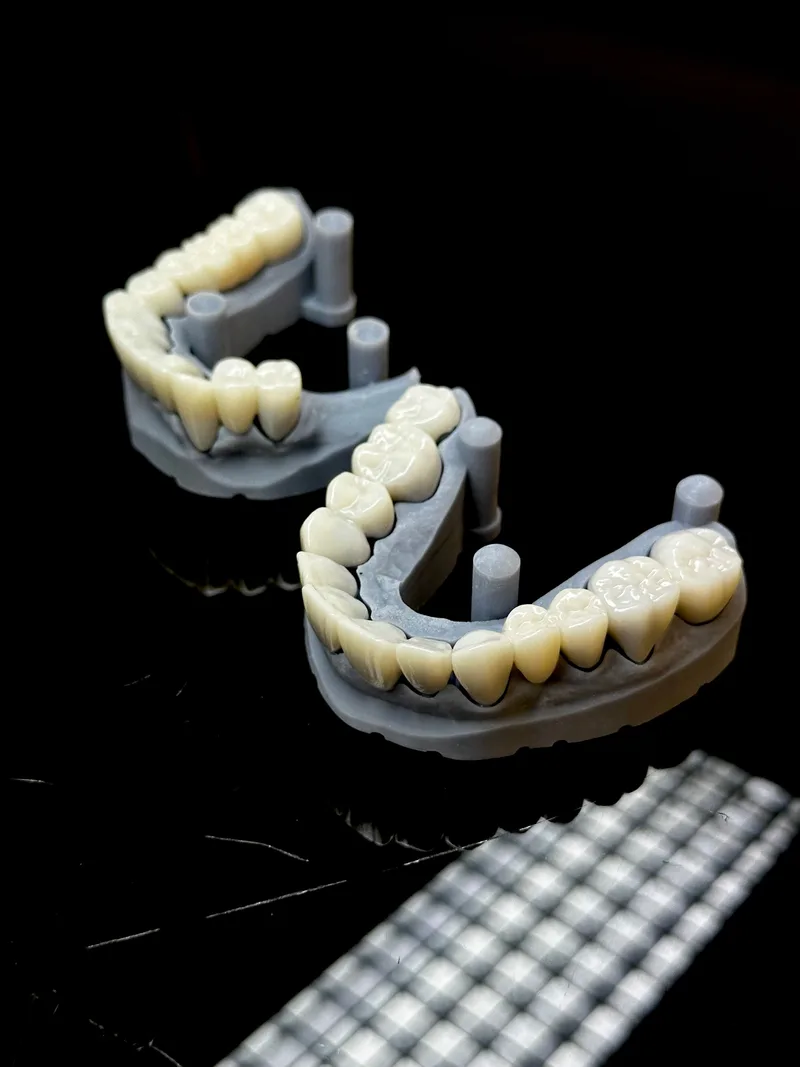
- Photopolymer resin (MSLA) — for extremely fine detail and smooth surfaces: casting patterns, precision and design models, fine mechanical parts.
When Does 3D Printing Pay Off?
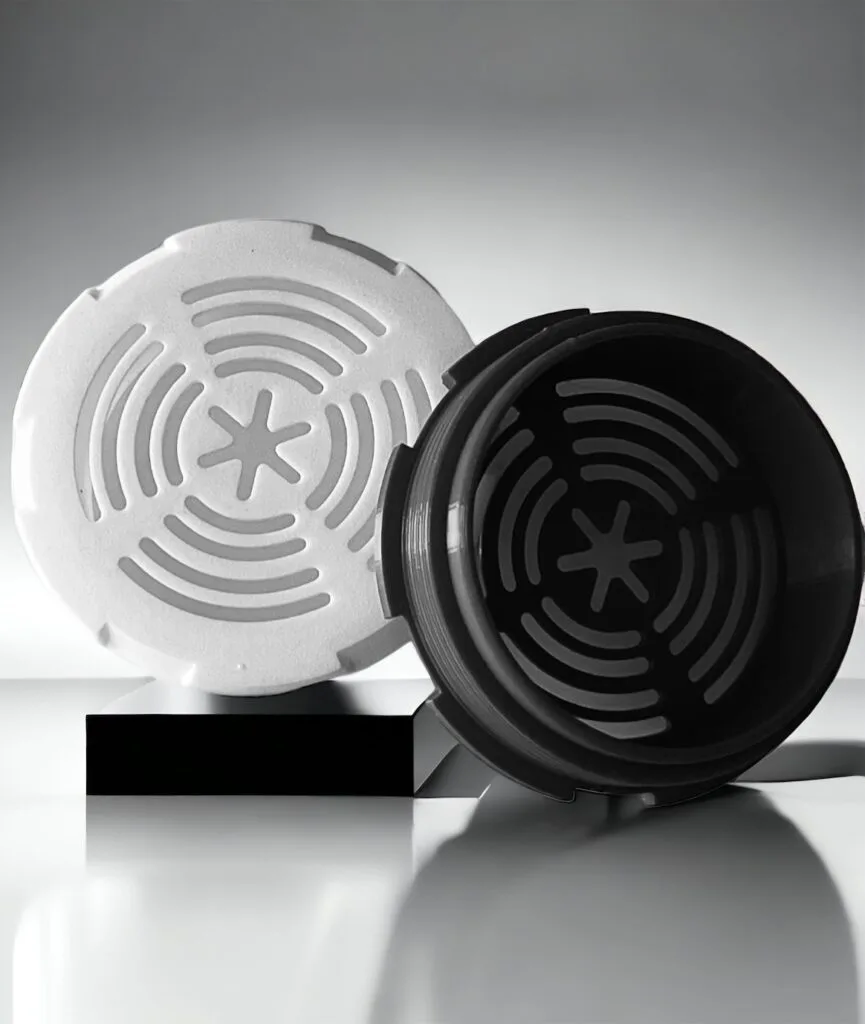
For high-volume series production, injection molding or another mass-production process is typically still more economical — additive manufacturing doesn’t replace traditional technologies in every case. But in a number of situations it’s clearly the better solution:
- Fast prototyping, when a development project goes through several iterations and waiting weeks for each new version would be too slow.
- Small-batch part manufacturing, where the tooling cost for a handful or a few dozen parts simply wouldn’t pay for itself.
- Discontinued replacement parts, when the original manufacturer no longer supplies a part for an older machine. The solution here is 3D scanning and reverse engineering — this is exactly the method used to remanufacture a discontinued VW Golf 2 throttle lever, when no design documentation existed at all. See the full process explained here.
- Custom production-line fixtures — assembly jigs, positioning elements, clamps, measuring tools — that would often be disproportionately expensive to produce with traditional methods.
- Complex geometries, where internal channels, weight reduction, or consolidating several parts into one are needed.
If your part could be produced through contract printing, visit our 3D printing service page for the available technologies, materials, and pricing; for reverse-engineering discontinued or custom parts, see our parts manufacturing page.
How Do You Decide Whether It Pays Off?
The right question isn’t “can this be 3D printed?” — it’s “will it be more cost-effective, faster, or better for this specific application?”
The decision should factor in the part’s size, quantity, mechanical load, operating environment, desired surface finish, production deadline, and budget. An experienced additive manufacturing partner can objectively tell you, based on these factors, whether 3D printing is truly the optimal solution or whether a different manufacturing technology makes more sense.
Summary
Additive manufacturing has become a defining tool in industrial product development and parts manufacturing — especially where speed, flexibility, and custom geometry matter more than processes optimized for mass production. The key to success isn’t the printing itself, but the right engineering approach, material choice, and a production strategy tailored to the application’s needs. If you’re not sure whether your part is a good candidate for additive manufacturing, send us the model, the STL file, or even an existing sample part — we’ll assess it and give you an honest recommendation on technology, material, and expected turnaround.
Related Articles
Planning a Similar Project?
Send us your model or drawing — free consultation, with personalized quotes within 24 hours.