How 3D Printing Works — FDM and MSLA Explained
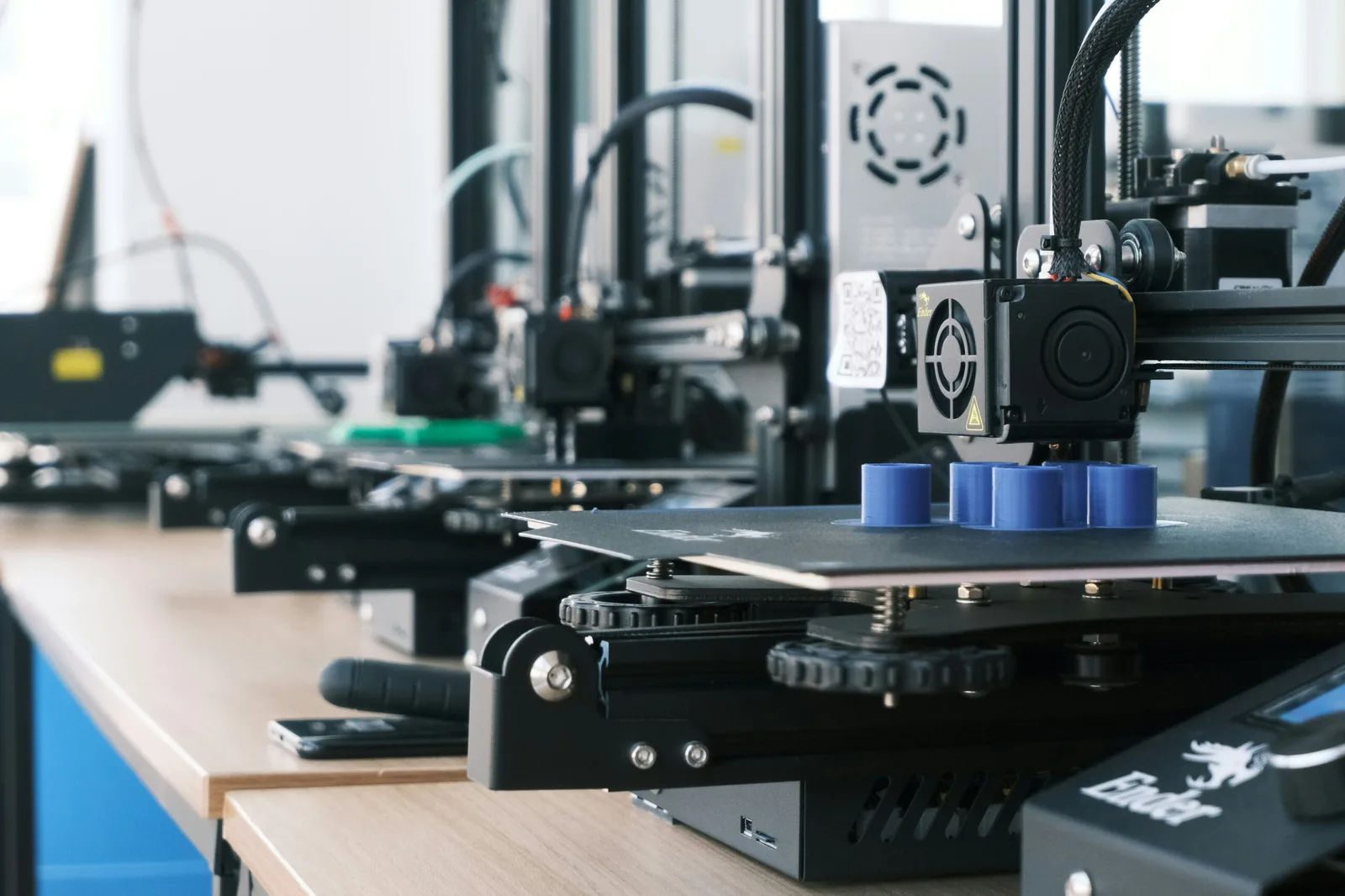
3D printing — technically additive manufacturing — has long outgrown its role as a prototyping tool: more and more companies use it to produce functional parts, production-line jigs, custom fixtures, and small-batch products. Many people still only know it as “the machine builds the object layer by layer” — the reality is more involved, and that’s exactly what makes it possible to produce geometries that would be prohibitively expensive or outright impossible with traditional machining or injection molding.
In this article, we walk through, step by step, how a part gets from a digital model to a finished, physical piece, and compare the two most widely used industrial technologies: FDM and MSLA.
What Is 3D Printing?
3D printing is a manufacturing process where a part is built up layer by layer from material, rather than made by removing material. While traditional machining — CNC milling or turning, for example — removes the excess from a larger block of stock, additive manufacturing only uses material exactly where it’s actually needed.
This brings a number of practical advantages:
- less raw material waste
- complex geometries with no tooling required
- fast prototyping
- economical small batches
- quick reproduction of discontinued or custom parts
That’s why it’s now widely used across the automotive industry, machine building, electronics, medical technology, and robotics.
From Digital Model to Finished Part
Every 3D print starts with a digital model. This can come from CAD design, modifying an existing model, or — if no documentation exists — 3D scanning and reverse engineering an existing part. The latter is especially useful for spare parts on older machines, components that are no longer available, and repair projects: the scanned point cloud or mesh becomes an accurate CAD model that can later be freely modified. This is exactly the method we used to remanufacture a discontinued VW Golf 2 throttle lever, when no design documentation existed for the original part.
The most common file formats are STL, STEP, OBJ, and 3MF — STEP stores parametric geometry, while STL describes the surface as a triangle mesh that printers can process directly.
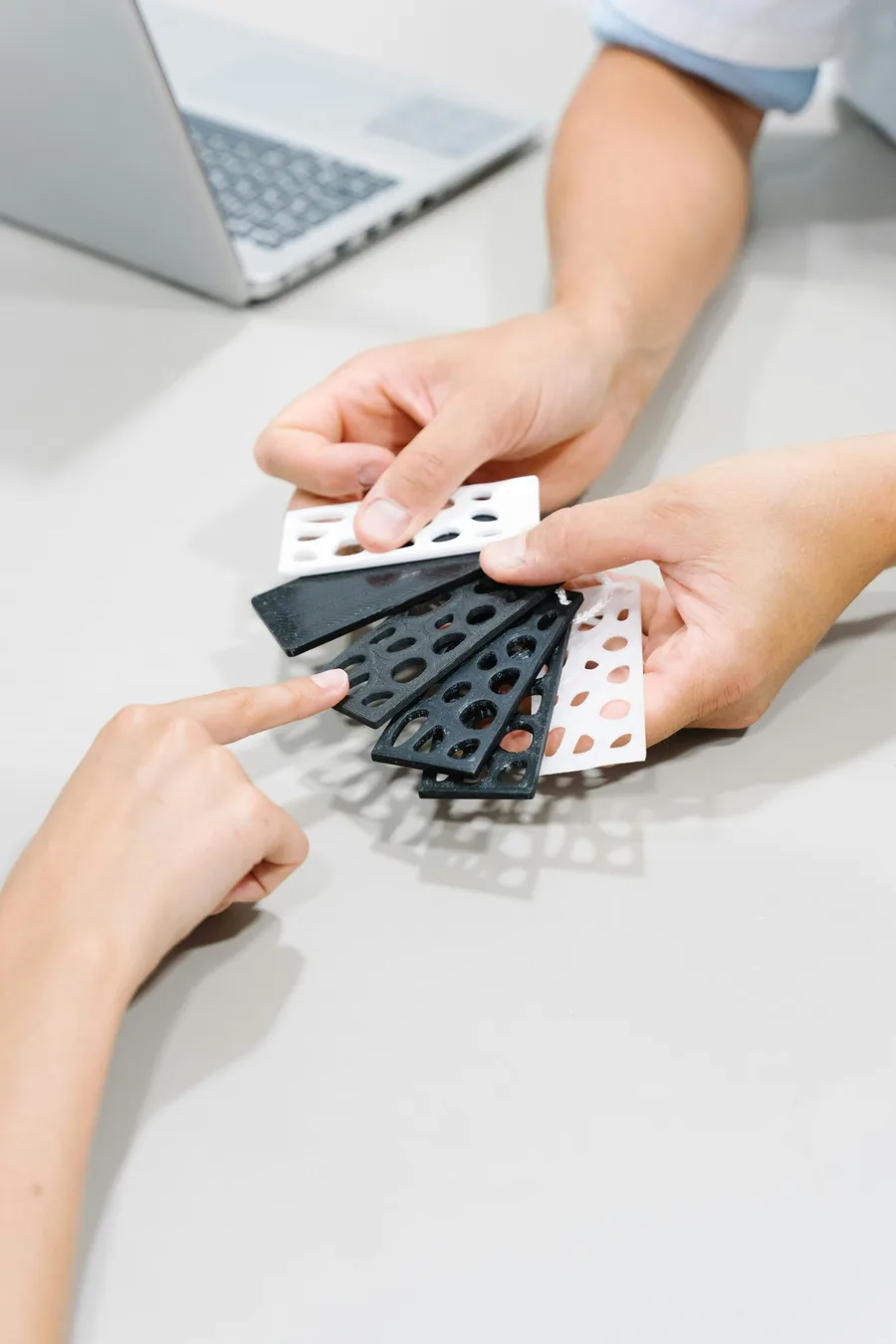
Printers can’t interpret CAD models directly — that requires what’s called slicer software. It breaks the model down into layers, calculates the print path, generates supports, and determines infill pattern, speed, temperature, and layer height. The output is a set of machine instructions (G-code) — a detailed “recipe” that tells the machine exactly when, where, and how much material to deposit.
During the actual print, the machine executes this recipe: it lays down the first layer, builds the second on top of it, and so on — the part grows from the bottom up. This principle is common to every additive technology; what differs is the material used and how it’s solidified. The two most widely used industrial processes are FDM and MSLA.
FDM — Fused Deposition Modeling
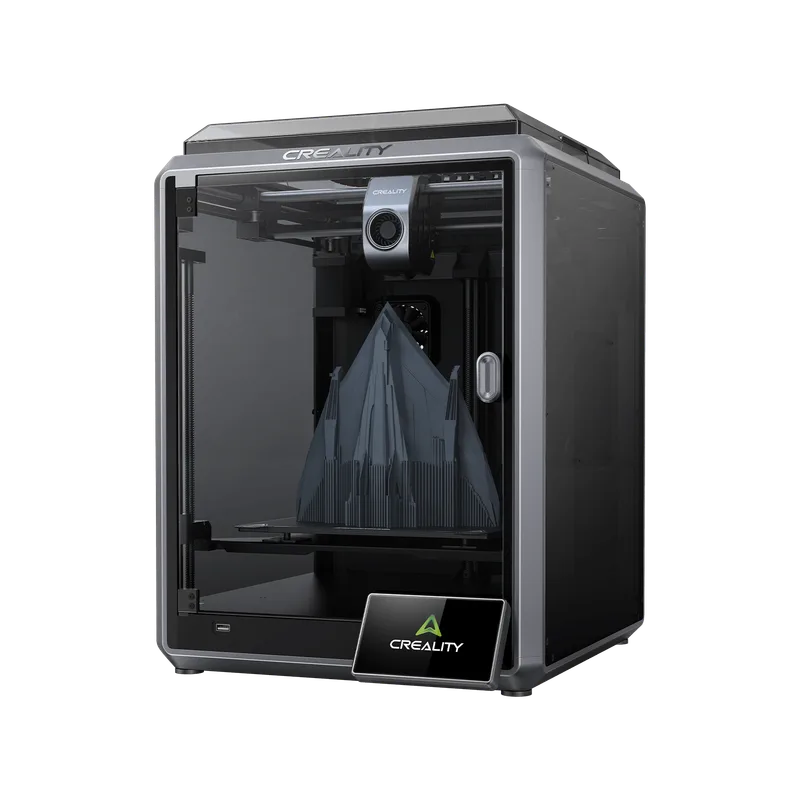
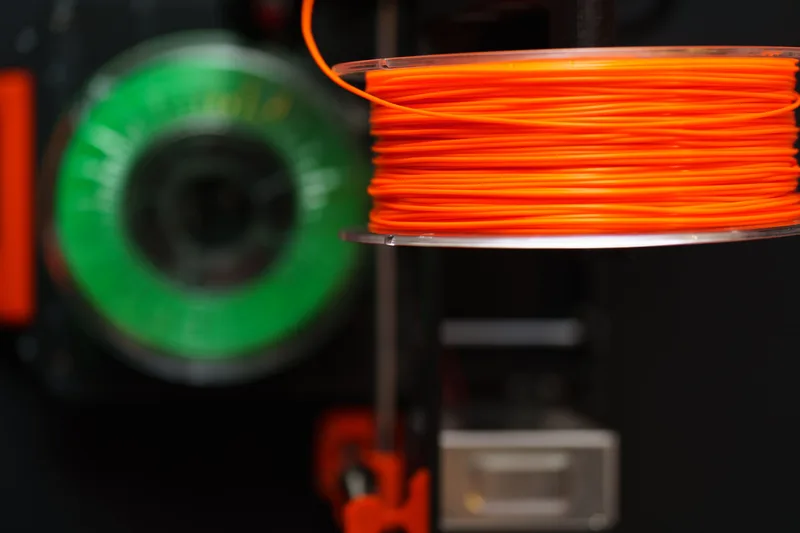
FDM (Fused Deposition Modeling) is currently the most widely used 3D printing technology in the world: the machine feeds a plastic filament through a heated nozzle, where it melts, then the nozzle moves along the calculated path and deposits the material, which solidifies quickly — the next layer builds on top of it.
One of its biggest advantages is an extremely wide range of materials: PLA, PETG, ABS, ASA, nylon (PA), PC, TPU, and carbon- or glass-fiber-reinforced composites. The right material always depends on the application — ASA for outdoor parts, nylon for mechanical loads, carbon composite for high stiffness, and PETG or PLA for general prototyping.
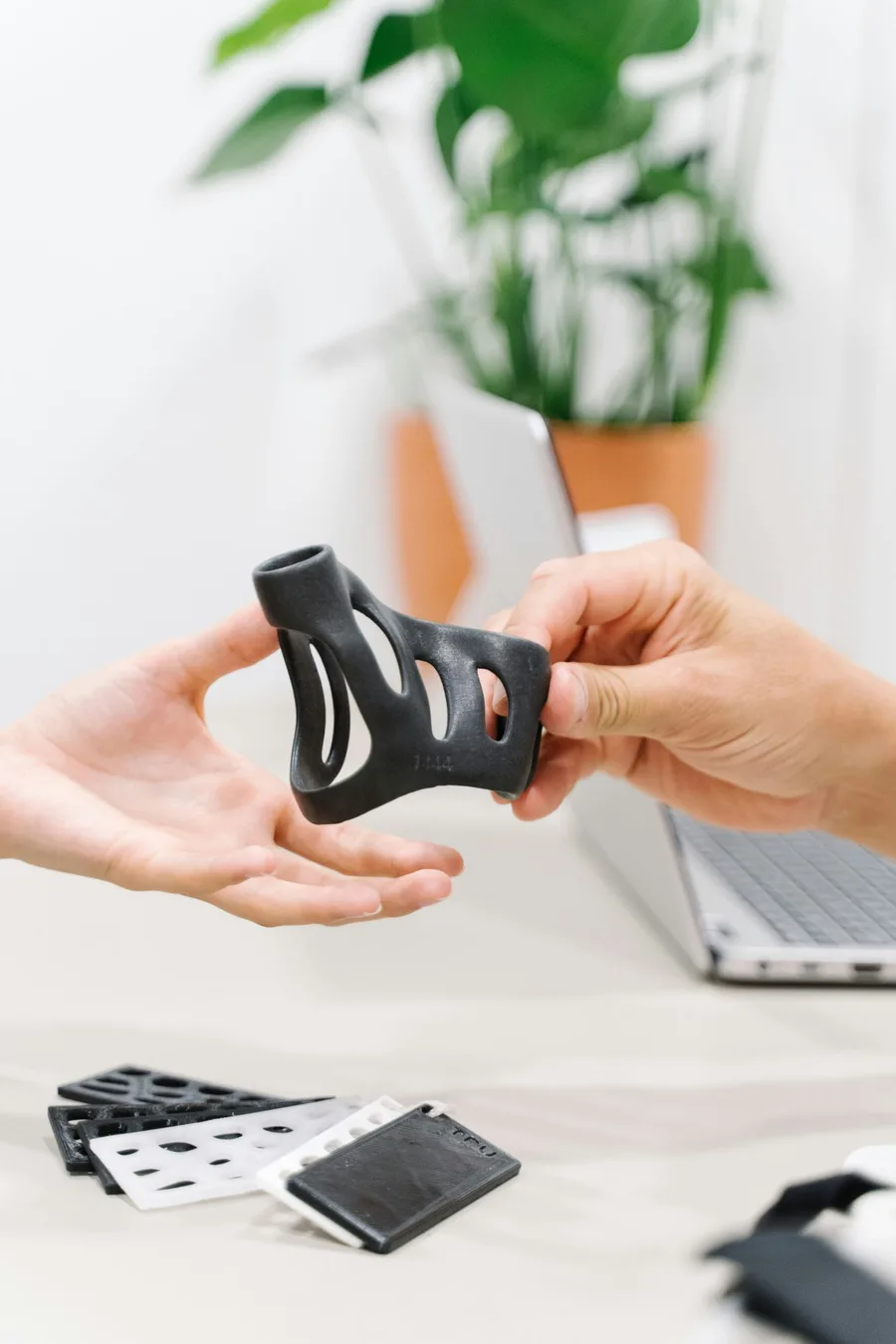
FDM is particularly well suited to functional prototypes, machine parts, production-line jigs, assembly fixtures, and small-batch or custom part manufacturing — in an industrial setting it often shortens the development cycle by weeks.
MSLA — Photopolymer Resin Printing
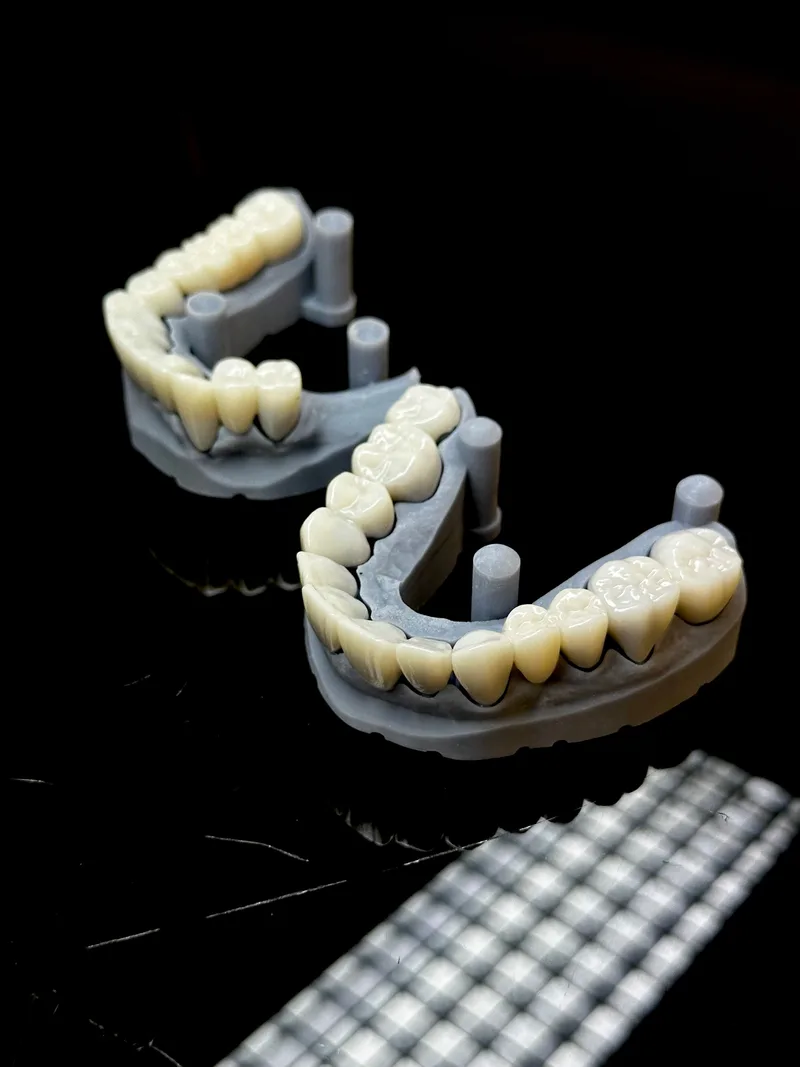
MSLA (Masked Stereolithography) works on a completely different principle: the part is built not from melted plastic but from liquid photopolymer resin. An LCD screen above the resin acts as a mask, and UV light illuminates only the relevant areas of the current layer, where the resin solidifies instantly — then the build platform rises by one layer height and the process repeats.
The result is an extremely smooth surface, very fine detail, and excellent dimensional accuracy — which is why it’s often chosen for design models, casting patterns, dental and medical applications, models, and display pieces.
Which One Should You Choose?
There’s no universal answer — the right technology always depends on the part’s job.
| Aspect | FDM | MSLA |
|---|---|---|
| Mechanical strength | ★★★★★ | ★★★☆☆ |
| Surface quality | ★★★☆☆ | ★★★★★ |
| Level of detail | ★★★☆☆ | ★★★★★ |
| Large parts | ★★★★★ | ★★☆☆☆ |
| Functional use | ★★★★★ | ★★★☆☆ |
| Aesthetic models | ★★★☆☆ | ★★★★★ |
FDM is recommended when a load-bearing, functional part is needed, cost-effectiveness matters, or larger size is required. MSLA is recommended when fine detail, an impressive surface, or very precise geometry is the goal. Many projects get the best result from combining both: the first functional prototype is made with FDM, the ergonomic or marketing model with MSLA, and both versions can then be tested before series production — resulting in faster development, lower cost, and less risk.
Summary
3D printing today is no longer just an innovative technology but a mature industrial manufacturing solution — every step, from the digital model through slicing to the finished part, requires precise planning and the right technology decisions. A poorly chosen material or process can significantly shorten a part’s service life, while the right engineering decision delivers a reliable, economical solution in the long run — which is why it’s worth starting every project with an engineering consultation. You can review exact pricing and our material range on our 3D printing service page, and for reverse-engineering discontinued or custom parts, see our parts manufacturing page.
Related Articles
Planning a Similar Project?
Send us your model or drawing — free consultation, with personalized quotes within 24 hours.